
Q1 Metals Outlook: Aluminum & Tin Trends for Packaging Buyers
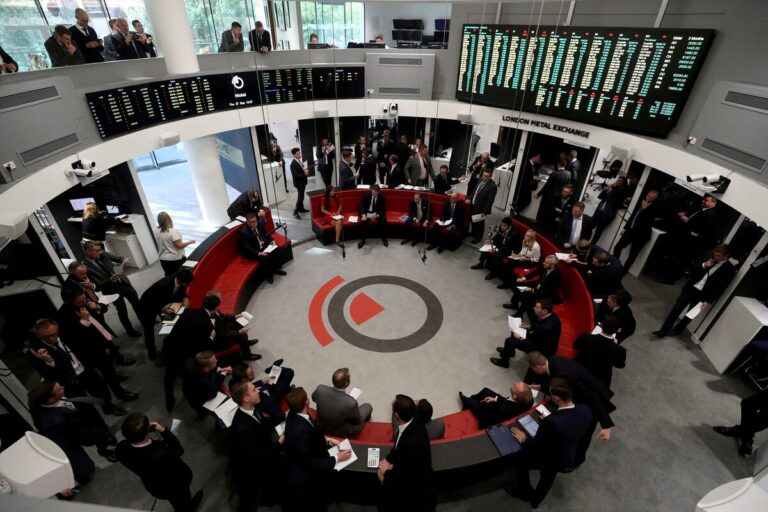
What Is the London Metal Exchange (LME) and Why It Matters
The London Metal Exchange (LME) is the world’s leading marketplace for industrial metal futures and options, and the primary reference point for pricing non-ferrous metals such as aluminum, tin, copper, and nickel. Prices set on the LME are used globally across supply chains—from producers and traders to manufacturers and end users—making it a critical indicator for market trends, cost forecasting, and risk management. For companies sourcing metals for packaging and production, LME pricing plays a direct role in budgeting, procurement strategies, and forward planning. If you have questions about current metal prices, need a quote, or want to understand how LME movements may impact your packaging costs, contact the Capsules & Closures team—we’re happy to help.
Market Outlook for Q1: Aluminum and Tin Trends
As we enter the first quarter of the year, metals markets are signaling continued strength and volatility that will be relevant to beverage producers, food companies, and packaging buyers. Aluminum prices have climbed to their highest levels in nearly four years, buoyed by tight global supply, expectations for economic recovery, and ongoing demand in key sectors. On the LME, aluminum recently reached around $3,225 per ton, reflecting broader optimism around industrial metals and subdued production growth.
In contrast, tin has been experiencing an unusually strong rally, with LME tin futures reaching all-time nominal highs near $54,760 per metric ton, driven in part by speculative activity and perceptions of supply tightness. While physical stock levels have increased overall, investment demand has overwhelmed fundamentals, contributing to increased price volatility that may persist in the short term.
What This Means for Capsules & Closures’ Clients
For beverage producers, food manufacturers, and packaging buyers, these metals trends suggest that input costs for aluminum-based packaging may remain elevated, and planning for Q1 procurement should account for tighter supplies and strong price benchmarks. Meanwhile, tin’s speculative surge underscores the importance of proactive hedging and sourcing strategies to manage cost exposure, particularly where tin is used in specialty coatings or components. Staying informed on LME price movements and inventory dynamics in these metals will be key to navigating pricing pressures and supply challenges in the months ahead.