2026 Beverage Trends Reshaping Packaging Demand
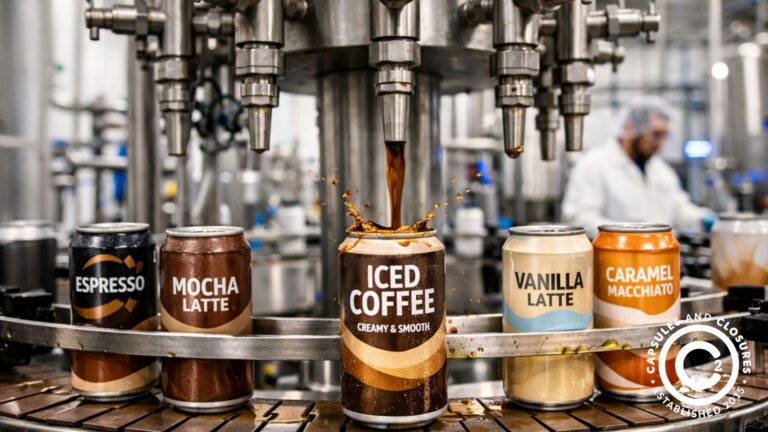
Beverage consumption is shifting.
As discussed in our previous article, new consumption patterns are redistributing demand across categories — with growing emphasis on convenience, functionality, and lifestyle-driven products.
This shift becomes clearer when looking at the categories gaining momentum today.
Below are five beverage segments that are currently reshaping demand for cans, bottles, and closures — and what they mean for packaging suppliers.
1. Energy Drinks
What’s driving growth
Energy drinks continue to be one of the most consistent growth categories in the beverage industry. The global energy‑drink market was valued at about USD 86.18 billion in 2025 and is projected to grow at roughly 8% CAGR (compound annual growth rate) through 2030–2035, fueled by demand for performance, alertness, and active lifestyles. North America dominates revenues, while fast‑growing markets in Asia Pacific are expanding consumption across age groups and dayparts, creating a broad base for new product launches and flavor innovation.
Packaging implications
Energy drinks are highly reliant on aluminum cans, which support high‑speed, high‑volume production runs and are well‑suited for on‑the‑go and retail‑display formats. The category also emphasizes sleek, eye‑catching formats and bold visual branding, encouraging frequent design refreshes and limited‑edition SKUs that packaging suppliers must be able to execute at scale without sacrificing line uptime.
2. Functional Beverages
What’s driving growth
Functional beverages—such as protein drinks, probiotics, adaptogen‑based products, and vitamin‑enhanced formulas—are riding a wave of health‑conscious and preventive‑wellness demand. The global functional‑beverage market was valued at USD 168–219 billion in 2025 and is expected to grow at 6.3–7.3% CAGR through 2033–2035, underpinned by consumers seeking added benefits in everyday drinks. North America leads in revenue share, but the category is expanding globally as brands premiumize around clean labels, functional ingredients, and targeted health claims.
Packaging implications
This growth is driving greater use of specialized bottles and closures that preserve product integrity, protect shelf life, and support premium aesthetics. Packaging suppliers see more demand for higher‑barrier materials, tamper‑evident closures, and formats that signal quality (e.g., matte finishes, complex shapes, and recyclable mono‑materials), all while meeting stricter regulatory and sustainability expectations.
3. Ready-to-Drink Coffee and Tea
What’s driving growth
Ready‑to‑drink coffee and tea continue to expand as consumers translate café culture into convenient, packaged formats. The global RTD coffee market was valued at roughly USD 25–28 billion in 2025 and is projected to grow at 6–7% CAGR through 2033, thanks to rising demand for cold brew, specialty roasts, and premium‑positioned lines. RTD tea and coffee formats are increasingly consumed outside the home, supporting growth in single‑serve and grab‑and‑go channels.
Packaging implications
RTD coffee and tea rely on a mix of cans and PET/multi‑layer bottles, with growing emphasis on durability, temperature resistance, and light‑blocking properties to protect flavor and caffeine/stability. Packaging suppliers must also support smaller, single‑serve formats, higher‑speed filling lines, and co‑branding or limited‑edition SKUs that align with seasonal and flavor‑driven campaigns.
4. Sparkling Water and Premium Hydration
What’s driving growth
Sparkling water and premium hydration products are becoming a major alternative to traditional sugary soft drinks. The global sparkling‑bottled‑water market was valued at about USD 52.5 billion in 2025 and is projected to reach USD 106 billion by 2035, growing at ~7.3% CAGR, as consumers shift toward lower‑sugar, “healthier‑perceived” options. Other analyses peg the broader sparkling‑water segment at around USD 45 billion in 2025, with growth of about 8% per year through 2033, reflecting continued brand expansion and flavor experimentation.
Packaging implications
Despite the growth in SKUs and sub‑segments (e.g., flavored, mineral‑enhanced, functional waters), the category still shows continued dominance of aluminum cans and PET bottles, supported by high‑volume production and strong retail distribution networks. Packaging suppliers face rising demand for diverse sizes, slim‑can formats, and visually distinctive labels, all while balancing weight reduction, recyclability, and carbon‑footprint commitments.
5. Non-Alcoholic Beer and Zero-Proof Cocktails
What’s driving growth
Non‑alcoholic beer and zero‑proof cocktails are gaining traction as moderation and lifestyle‑driven drinking habits take hold. The non‑alcoholic spirits (zero‑proof) segment has seen dollar‑sales growth of 80–100% year‑on‑year in recent periods, albeit from a relatively small base, reflecting strong consumer experimentation and social acceptance. Industry analysts project that non‑alcoholic and low‑alcohol beverages will collectively surpass USD 1–2 billion in value within the next decade, as brands improve taste, expand distribution, and lean into “anytime” consumption occasions.
Packaging implications
These products largely adopt traditional alcohol‑like packaging formats—cans, glass bottles, and closures—allowing brands to leverage existing production infrastructure while signaling premium positioning. For packaging suppliers, this means opportunities to adapt high‑ender lines for smaller batches, specialty closures, and visually rich designs, as well as co‑packaging for mixed‑format multipacks that bridge alcoholic and zero‑proof SKUs on the same line.
What This Means for Packaging Suppliers
These categories highlight an important reality:
Packaging demand is not driven by a single segment, but by a diversifying beverage landscape.
For suppliers, this means:
- Monitoring category-level growth
- Maintaining flexibility in production
- Adapting to shorter product cycles
Supporting a wider range of packaging formats
A Market Defined by Shifting Demand
As beverage consumption continues to evolve, so will the requirements placed on packaging suppliers.
The challenge — and the opportunity — lies in understanding where demand is moving, and aligning operations accordingly.
About Capsules and Closures
Capsules & Closures supports beverage and packaging supply chains with aluminum cans, can ends, caps, closures, and related components designed for reliability at scale. For questions on sourcing, pricing, or market conditions, contact Capsules & Closures directly.