Water Is the New Craft Beer — And It's Coming in a Can
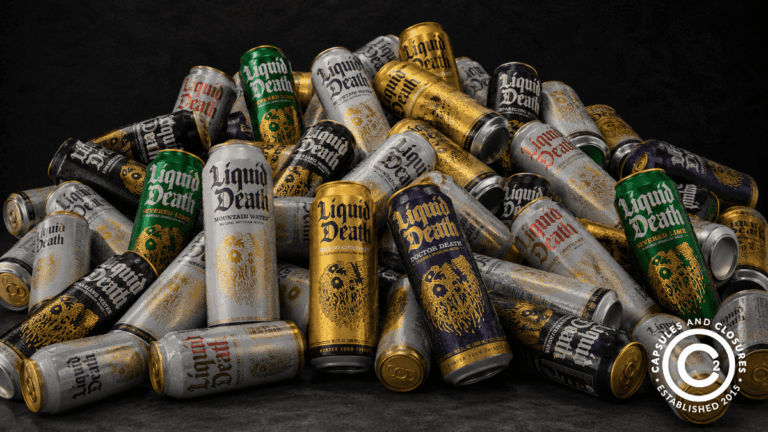
Not long ago, water was the one category no beverage entrepreneur wanted to touch. Thin margins, commodity pricing, zero brand differentiation. You were competing against tap water, and losing. Then a company put spring water in a tallboy aluminum can, slapped a skull on it, and told people to ‘murder their thirst’ — and suddenly water became a billion-dollar lifestyle brand.
Liquid Death is the obvious headline, but it’s not the whole story. What’s happening in the premium canned water market right now is a structural shift that’s rewriting what the aluminum can means as a packaging format — and creating real, growing demand for cans, can-ends, and closures from a category that barely existed five years ago. Premium canned water is one of five beverage categories currently reshaping packaging demand across North America — and it may be the most surprising one on the list.
The premium water market was valued at $33 billion in 2026 and is projected to reach $49 billion by 2031, growing at an 8.23% CAGR according to Mordor Intelligence. Aluminum cans are one of the fastest-rising packaging formats in that market — not just for functional reasons, but because the can itself has become a brand signal.
The premium water market is on track to grow from $33 billion to $49 billion by 2031. Aluminum is rising fastest — not just as a container, but as a brand identity tool.
How Liquid Death Turned a Can Into a Category
The story of Liquid Death is really a packaging story. Founder Mike Cessario’s insight wasn’t about the water — it was about the container. At the Vans Warped Tour in 2008, he noticed that rock bands were drinking water out of energy drink cans to satisfy sponsorship obligations while staying hydrated on stage. The can was the costume. The brand was the packaging.
That observation eventually became Liquid Death, launched in 2019 with a $1,500 Facebook video, a tallboy aluminum can, and a skull logo. The company generated $333 million in revenue in 2024 — a 26% increase year over year — and is projected to hit $340 million in 2026. That’s a 110-fold increase from its first year of business. It is now sold in over 133,000 retail locations including Target, Walmart, Whole Foods, and 7-Eleven.
The can did the heavy lifting. A 16.9 oz aluminum tallboy of Liquid Death retails for $1.50–$2.00. Generic bottled water sells for pennies. The markup isn’t driven by what’s inside — it’s driven entirely by what the outside communicates. At a concert, a party, or a sports venue, holding a Liquid Death can signals something. That signal is worth $1.25 per can, repeated 333 million dollars worth of times per year.
Liquid Death also locked in an exclusive partnership with Live Nation, making it the official water brand at over 120 music festivals and concert venues. It’s now the most-followed water brand on both TikTok and Instagram, with over 7 million followers on each platform. This is a water company.
The Market It Created — and Who Followed
Liquid Death’s success didn’t just build a brand — it proved a category. Incumbent beverage companies took notice fast.
Coca-Cola has been testing Smartwater and Dasani in aluminum can formats, with industry analysts noting that packaging format is increasingly being used as a brand positioning tool rather than just a logistics decision. PepsiCo recently brought on Ricky Khetarpaul — a PepsiCo veteran — as Liquid Death’s CFO, signaling that the brand is preparing for its next phase, with an IPO reportedly being explored.
Other players are scaling quickly in the canned water space. Open Water packages exclusively in aluminum bottles and cans and has carved out a strong position in corporate offices, hotels, and specialty retail — with Chipotle adding canned water to its lineup as a direct result of consumer demand for non-plastic formats. PathWater offers reusable aluminum bottles. Proud Source, Flow Beverage Corp, and a growing roster of regional brands are all competing for shelf space in the same aluminum format that Liquid Death pioneered.
The canned water segment is now growing at a 7.0% CAGR, outpacing general still water growth. Sparkling canned water is growing even faster at 6.6%. The common thread across all of it: aluminum.
The canned water segment is growing at 7.0% CAGR — faster than still water overall. Every one of those cans needs an end. Every format decision starts with a sourcing conversation.
What This Means for Packaging Suppliers
Here’s the supply chain reality behind the premium water boom: every one of those cans needs a can-end. Every tallboy, every 12 oz skinny can, every 19.2 oz king size — they all require ends, and they all require closures for any resealable format. As the category scales from a niche challenger brand into a mainstream retail staple, the downstream demand on aluminum packaging components scales with it.
The format decisions that brand founders make — tallboy vs. slim can, standard vs. resealable, single-serve vs. multipacks — have direct implications for sourcing. And unlike the craft beer segment, where can formats have been largely standardized for decades, the premium water space is still exploring what formats resonate most with consumers. That means more variation, more SKUs, and more packaging conversations happening right now.
The beverage giants entering this space add another layer. When Coca-Cola or PepsiCo test a new aluminum water format, they test at scale. The packaging volume implications of a Smartwater aluminum launch at full Coca-Cola distribution are fundamentally different from a startup can run — and they create ripple effects through the entire supply chain.
The Opportunity for Food and Beverage Producers
The premium water opportunity isn’t limited to startups with skull logos and punk rock marketing. The broader lesson is that the can format is now associated with premium positioning across the non-alcoholic beverage spectrum — water, sparkling water, functional water, iced tea, energy drinks. Any producer operating in these categories who hasn’t evaluated what the right packaging format communicates about their brand is leaving positioning power on the table.
For beverage producers considering a move into aluminum — whether for a water brand, a sparkling line, or a functional beverage — the sourcing conversation starts earlier than most people expect. Capsules & Closures works with food and beverage producers across North America on cans, can-ends, and the full range of closures they need to bring a new format to market. If you’re planning a canned launch or expanding an existing line, that conversation should be happening now.
FAQs
Q: Why are premium water brands choosing aluminum cans over plastic bottles?
Aluminum cans deliver stronger brand perception in social, event, and lifestyle settings where plastic bottles read as generic. The format communicates premium positioning at point of purchase and creates visual distinctiveness on shelf and in hand. For brands targeting younger consumers at concerts, festivals, and gyms, the can format is a marketing asset as much as a packaging decision.
Q: How big is the premium canned water market?
Aluminum cans and can-ends dominate at stadium and outdoor events due to their portability, safety (no glass), and speed of service. Crown-capped bottles are common in on-premise and hospitality settings. ROPP aluminum closures are increasingly used for premium and RTD spirits products served at fan zones and events.
Q: How far in advance do beverage brands need to order packaging for major events?
The overall premium water market was valued at $33 billion in 2026 and is projected to reach $49 billion by 2031, according to Mordor Intelligence. Within that, the canned water segment is growing at a 7.0% CAGR — one of the fastest-growing packaging formats in the non-alcoholic beverage space.
Q: What can and closure formats are most common in the premium water category?
The 16.9 oz aluminum tallboy is the dominant format for lifestyle-positioned brands like Liquid Death, while 12 oz standard cans and 12 oz slim cans are common in multipacks and convenience channels. Sparkling water brands often use slim or sleek can formats. All formats require compatible can-ends, and resealable formats introduce closure requirements on top of standard can-end sourcing.
About Capsules and Closures
Capsules & Closures, LLC is a leading U.S.-based supplier of lids, crowns, closures, bar tops, cans, and capsules for the food and beverage industry. For questions on sourcing, pricing, or market conditions, contact Capsules & Closures directly.